

Mōrena. The six things to know in Aotearoa’s political economy around housing, poverty and climate today are:
National has released its fiscal plan, which matched its outlook in Treasury’s Pre-Election Fiscal Update (PREFU), including prioritising a return to multi-billion dollar surpluses and debt reduction by 2029/30. Labour’s plan is very similar, also forecasting a move into multi-billion surpluses and debt reduction by 2029/30.
Both have committed to holding down growth in Government health and other non-NZ Superannuation spending at rates slower than the growth in the overall economy from GDP and population growth. That’s in order to achieve their budget surplus and debt reduction targets by 2028/29 of getting the size of Government and net Crown debt down below 30% and 40% of GDP respectively.
Both are relying on a repeat of the economic growth patterns seen in previous fiscal consolidation periods from 2000-2007 and from 2016-2020, when the Government stepped back from growing the economy and was replaced mostly by households increasing their borrowing, spending and investing by increasing their mortgage debt.
That swap of roles was possible because during both those periods banks were willing and able to increase mortgage lending to first-home-buyers, existing home owners and rental property investors. But more importantly those home buyers were willing and able to borrow and spend because their home equity was rising in a leveraged, rapid and tax-free way, and because interest rates were often falling and Reserve Bank restrictions on lending were less strict.
Another repeat of that role-swap from Government borrowing more to grow the economy to households and businesses borrowing more is just not possible as both long and short term interest rates are rising and expected to stay high, the Reserve Bank will keep both Loan to Value Ratio (LVR) and Debt to Income (DTI) restrictions to limit mortgage lending growth, and house prices keep falling.
Both National and Labour are committed to squeezing down the size of Government spending by two percentage points of GDP to around 30% of GDP. Without the necessary surge of household borrowing and spending, thanks also to cost of living pressures, there is no way to grow the economy as Treasury has forecast. It has forecast a recovery in household borrowing, spending and job creation in vain since Covid because of a lack of a housing boom to rescue the economy. Exports are worth barely 25% of GDP, down from 35% in 2001 and there has been no new net business lending for non-property businesses since Covid.
(I have opened this one up to all immediately because it’s topical. Thanks in advance to our paying subscribers who enable me to do this sort of work. Join us as a subscriber if you’d like to see more of this sort of work. Here’s a 50% off introductory offer for new subscribers for the first year.)
Charts: When Govt borrows less, households have to borrow more
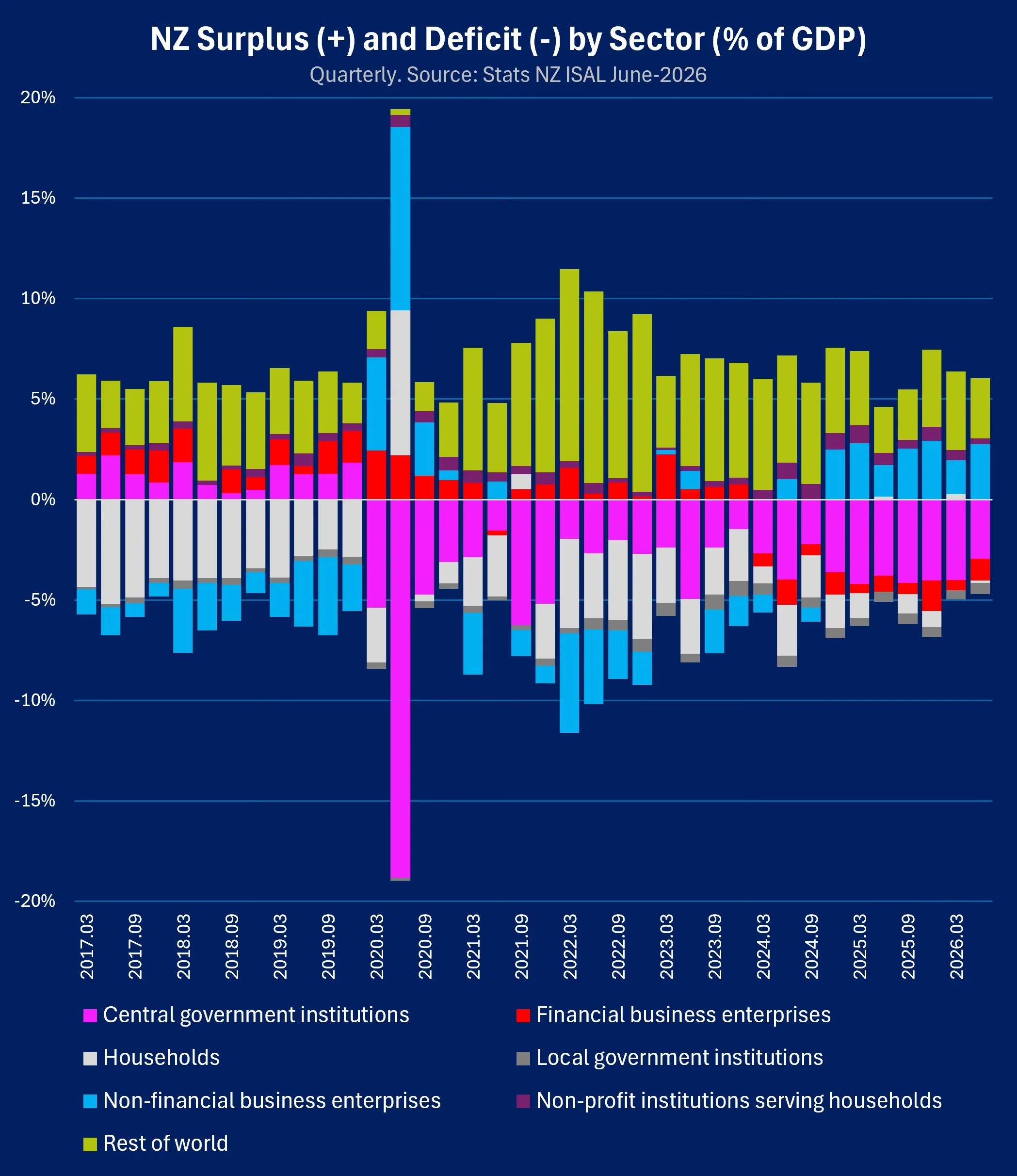
As Govt cut its debt load, households increased their mortgage debt
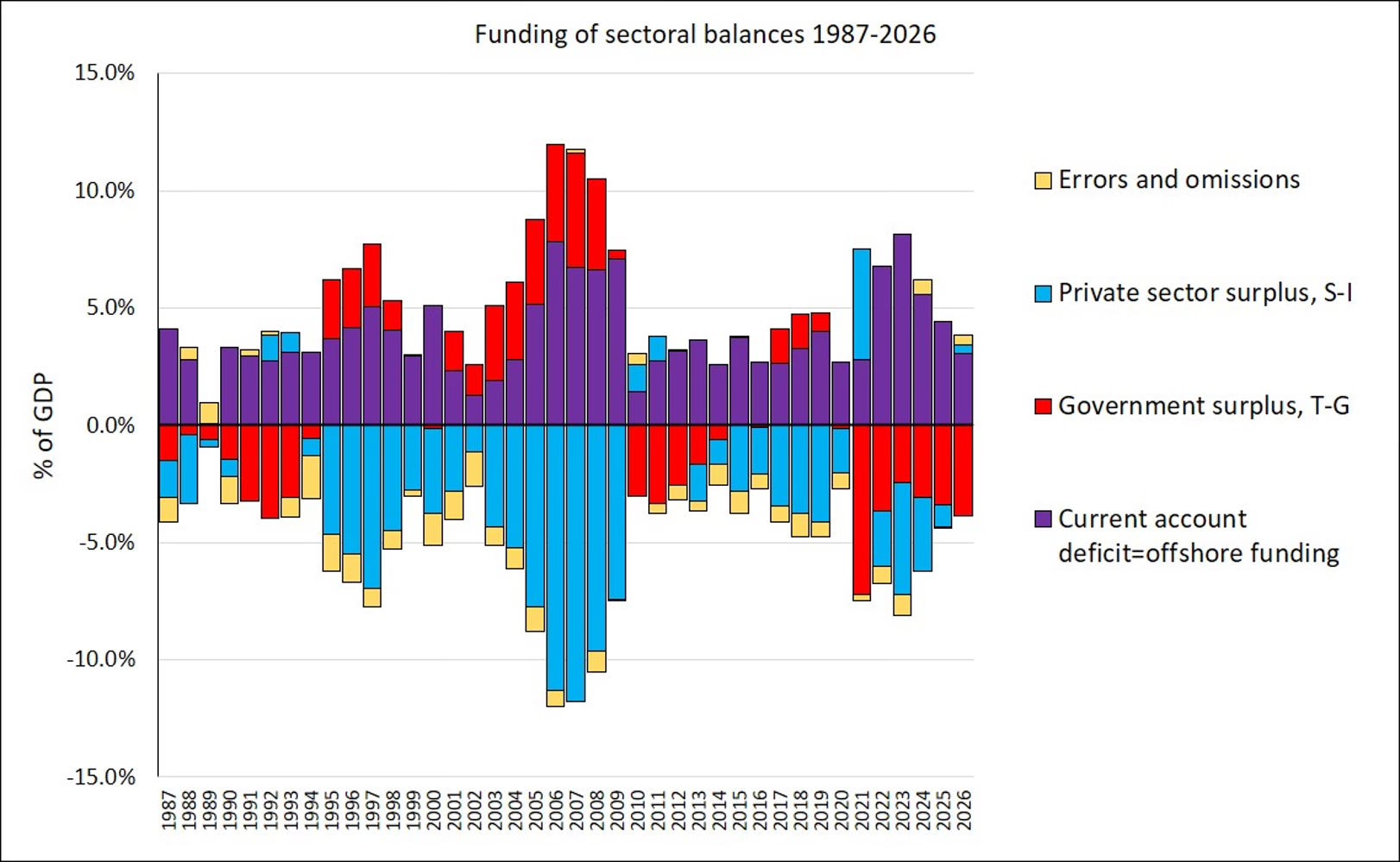
Households face tougher cost of living challenges this time
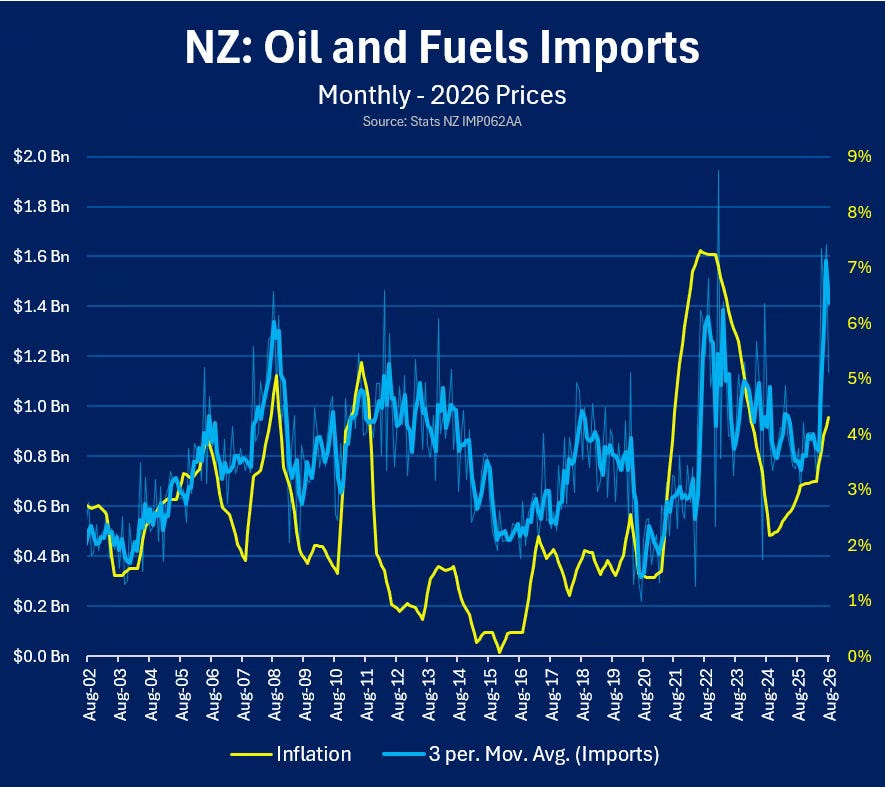
Here’s the pattern of debt yin and yang from public to private
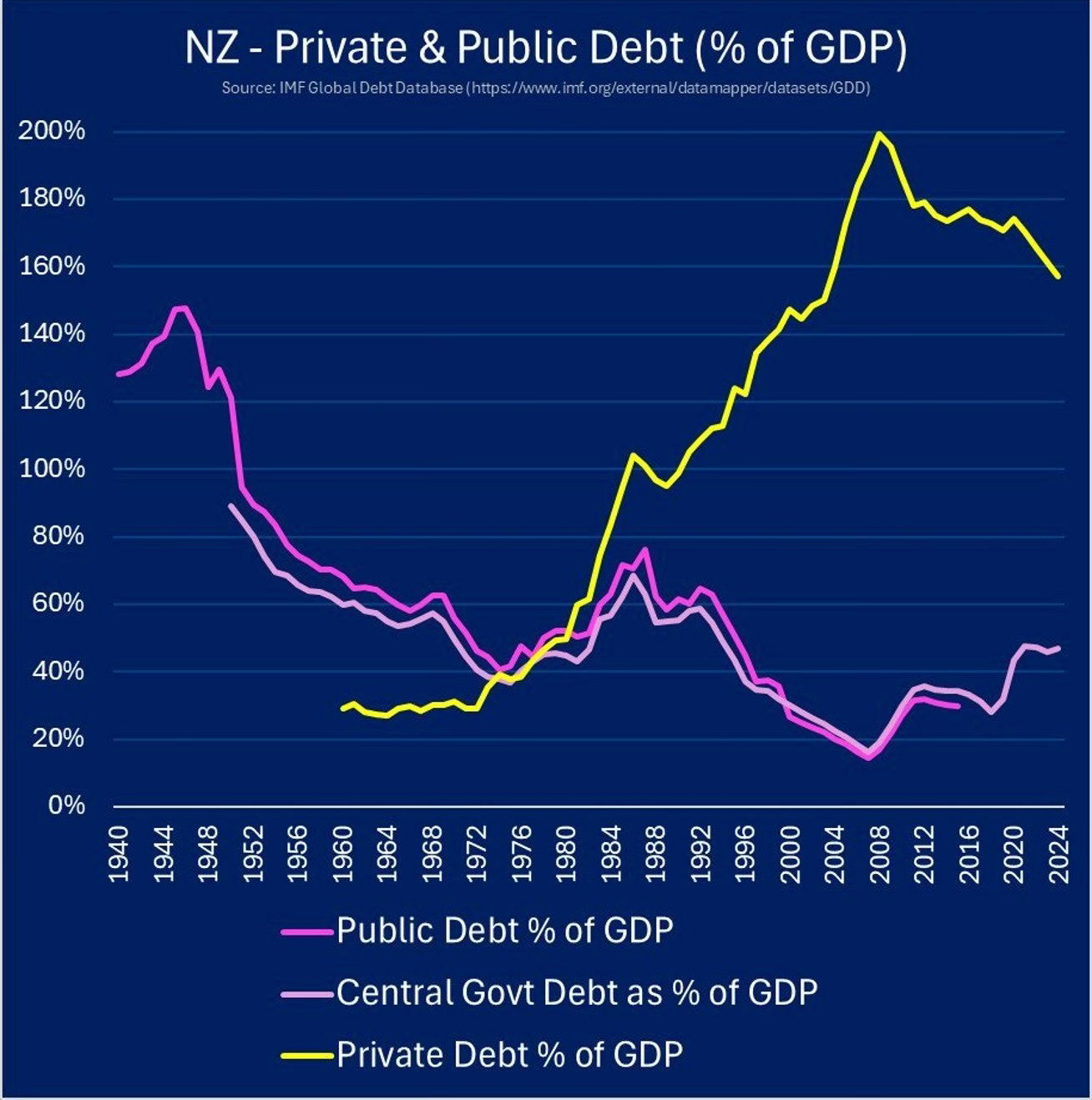
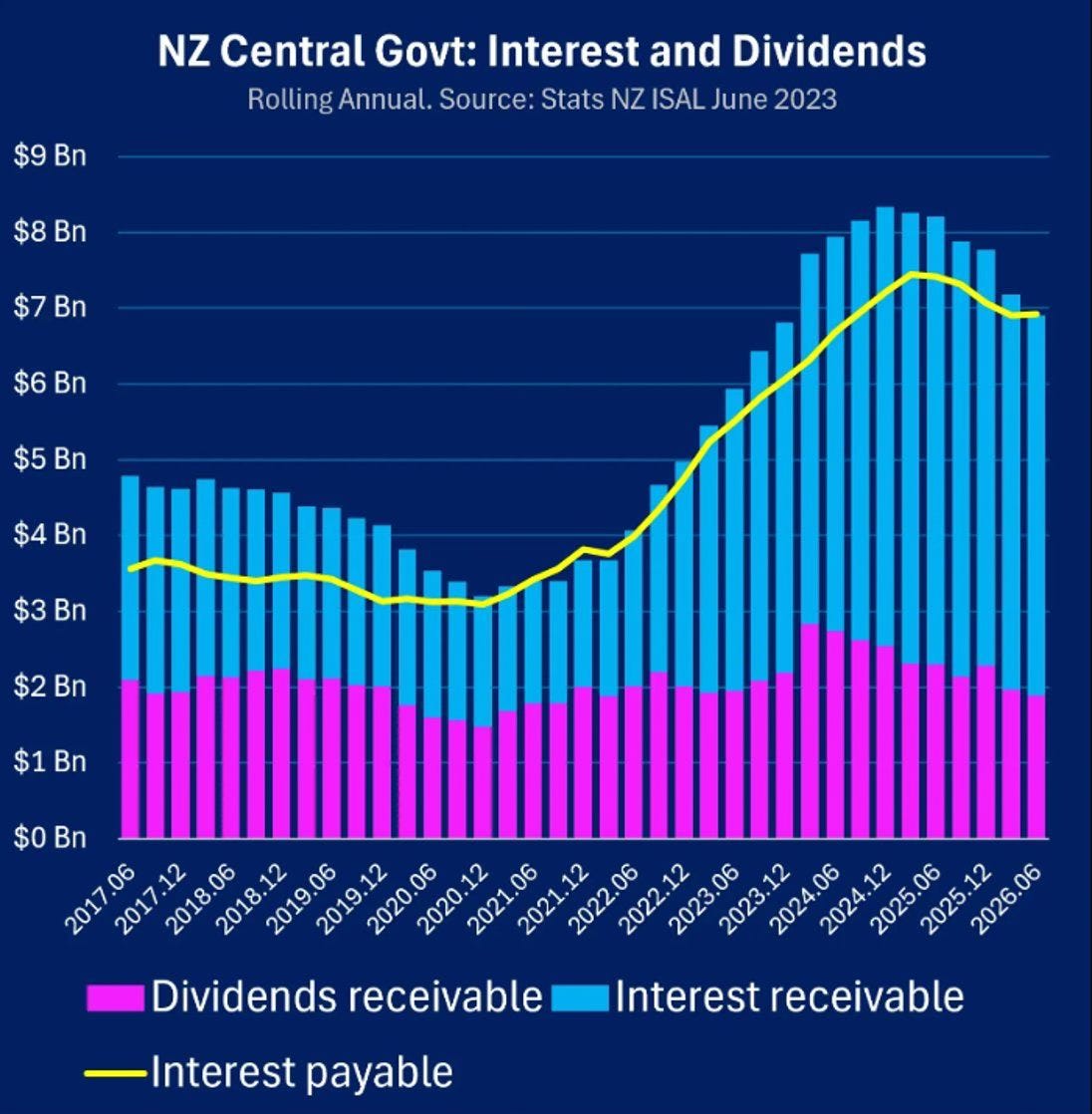
By the way, the National (& Labour) fear of public debt is without merit
Top Picks n’ Mixes & In the Papers
Top Six Scoops, Investigations & Breaking News
Andrea Vance for The Post-$: Engineering firm won $237m in Defence contracts while CEO chaired Defence advisory body
Lane Nichols for NZ Herald (front page lead): Teaching Council apologises to victims after damning review of sex predator scandal
Investigation by Mildred Armah for Stuff: He feared dying in surgery. Now he fears it will come too late
Sinead Gill for The Press-$: ‘Someone’s gonna die’: Young father evicted by emergency housing provider before disappearance
Emma Stanford for Stuff: Air NZ and Qantas are ending their codeshare. Frequent flyers lose most
WSJ-$ (gift link): NATO’s Top Commander Lays Out Plan to Thwart a Russian Attack on the Alliance
Top Six Deep-dives, Interviews, Explainers, Columns & Editorials
Deep-dive by Joel MacManus for The Spinoff:Why does National keep reannouncing the same road?The controversial saga of Mill Road, explained.
Analysis by Jonathan Milne for Newsroom: Why selling a fiscal plan is like selling French pastries – un peu
Column by Rod Campbell for Newsroom: A decision taken in a carpark that a vital medical service be denied ‘The last part of Roger Fowler’s life was marred by the many casual cruelties of our health system.’
Deep-dive by Rebekah White for Newsroom: How do we solve a problem like bottom trawling? ‘Bottom trawling is wasteful, destructive, contributes to climate change and damages marine habitat. It’s also how we catch around two-thirds of our fish. What could we do better?’
Op-Ed by Cathrine Dyer for Newsroom: Climate change policy missing in action‘The lesson from climate change in this election may be that some decisions are too complex and too consequential to leave to electoral politics alone.’
Deep-dive by Rachael Comer for The Press-$: ‘Fighting for teeth’: Drilling down on dental health in South Canterbury
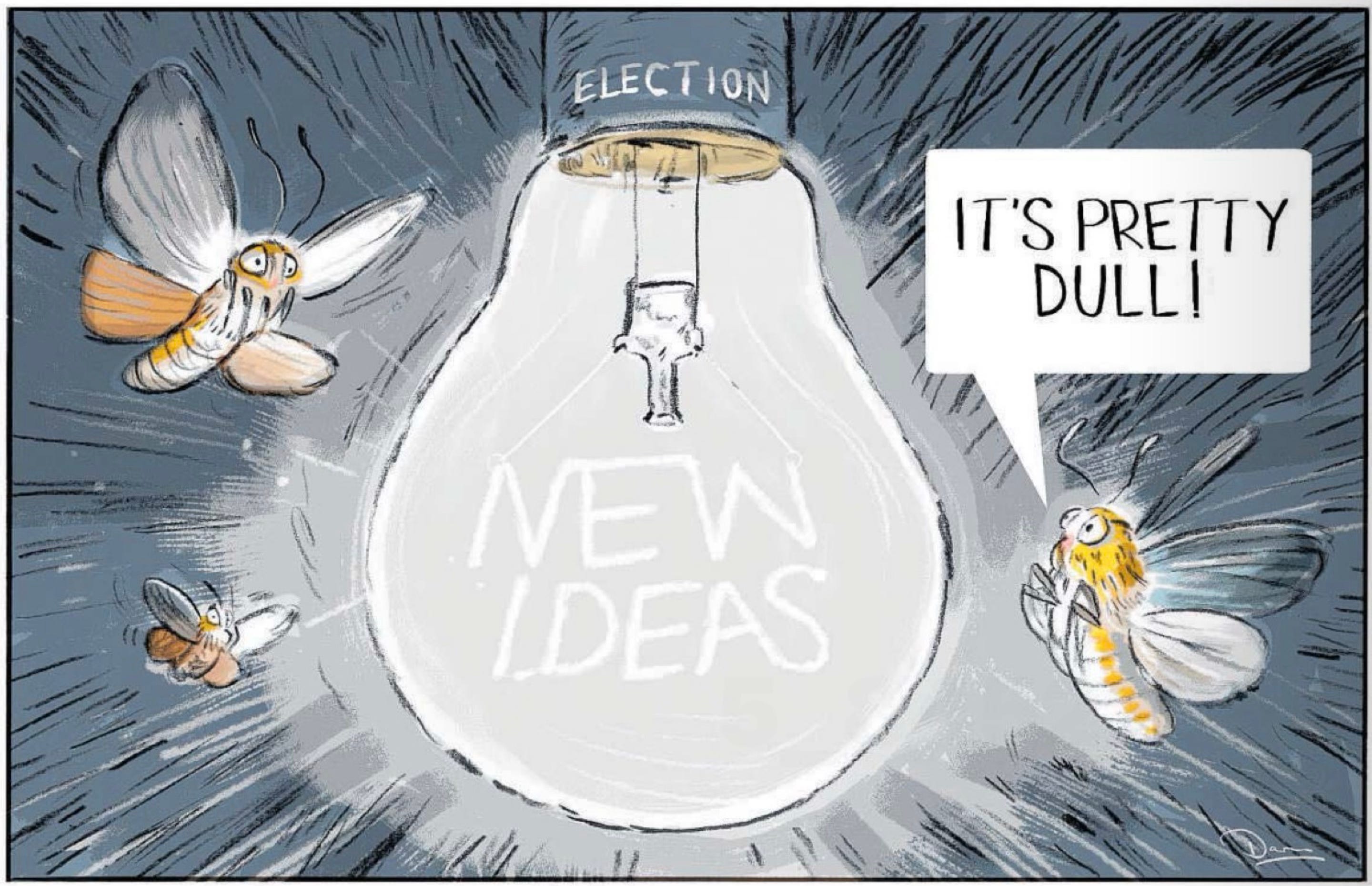
Cartoon of the day: Not much brightness
Cheers
Bernard
PS: See the full Picks n’ Mixes & In the Papers for today here online only for paying subscribers.
Picks n’ Mixes & In the Papers for Tuesday Oct 13

Here’s my selections of the news, analysis, comment, front pages and cartoons from the last 24 hours or so in Aotearoa’s political economy around housing, climate and poverty, as of 6am on Tuesday, October 13:


